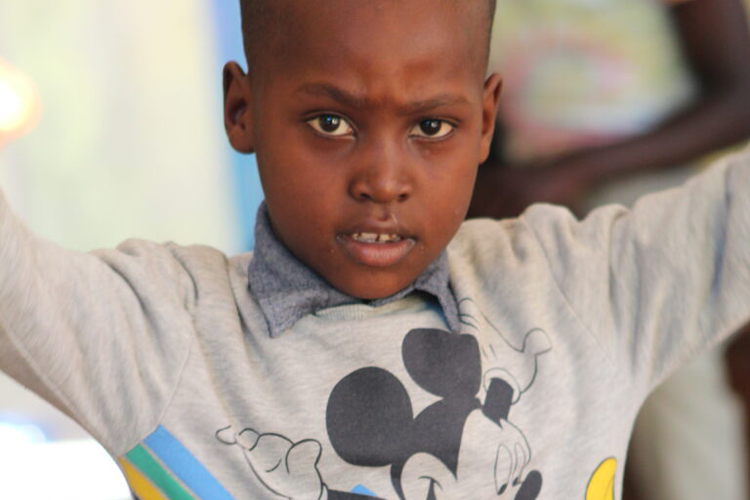
Springs of Life Children’s Restoration Center (SLCRC)
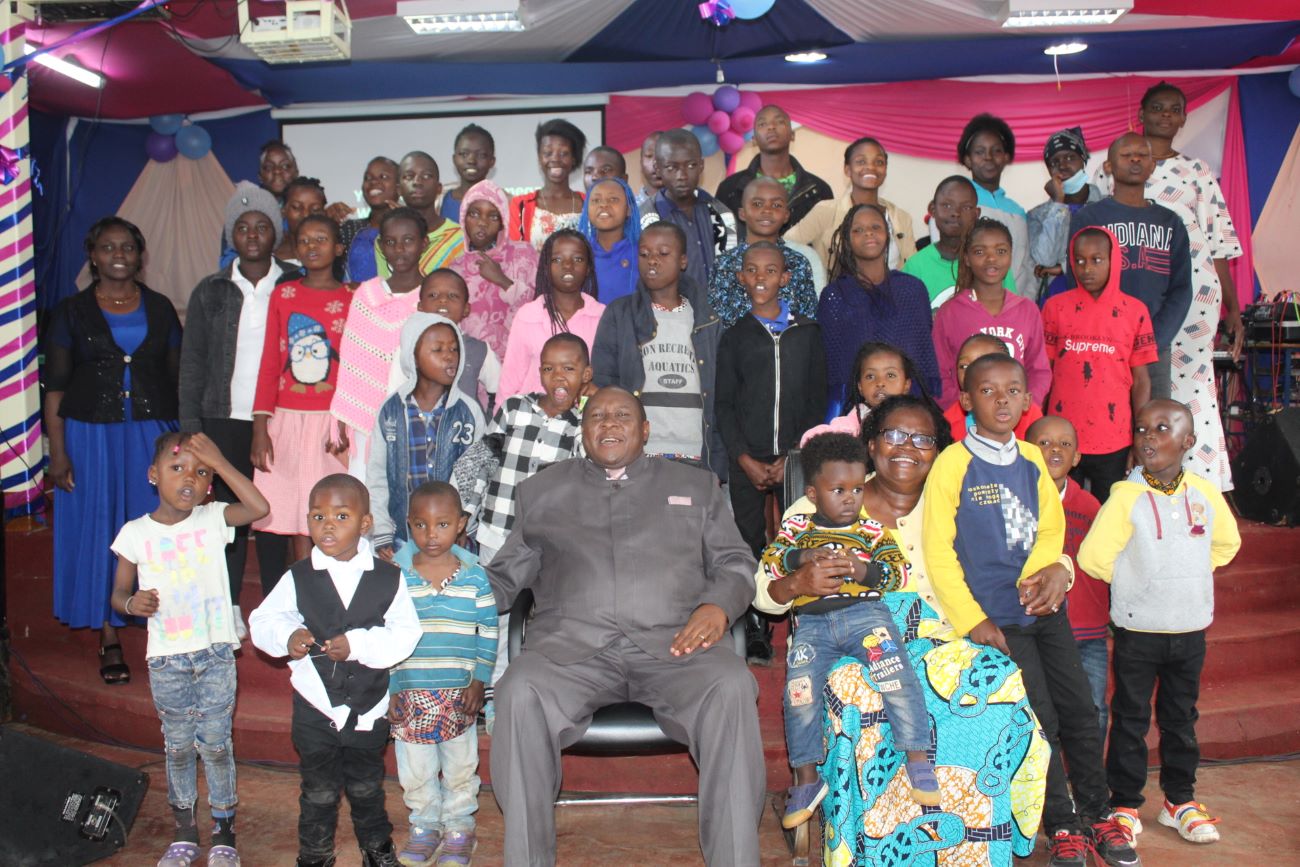
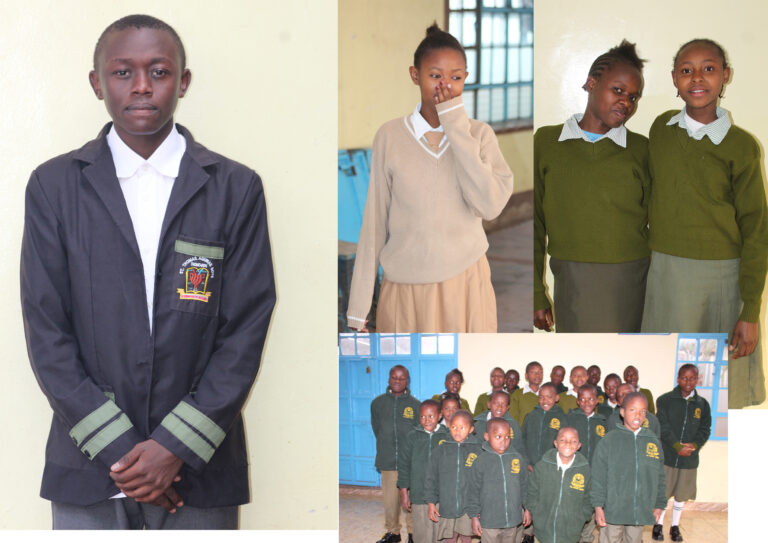
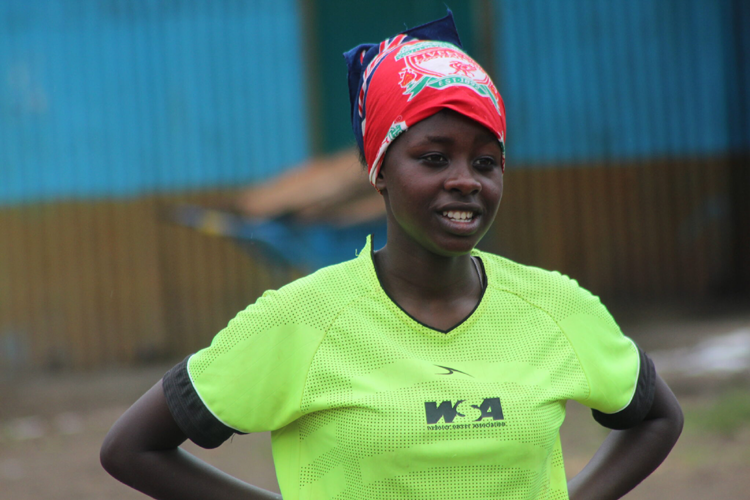
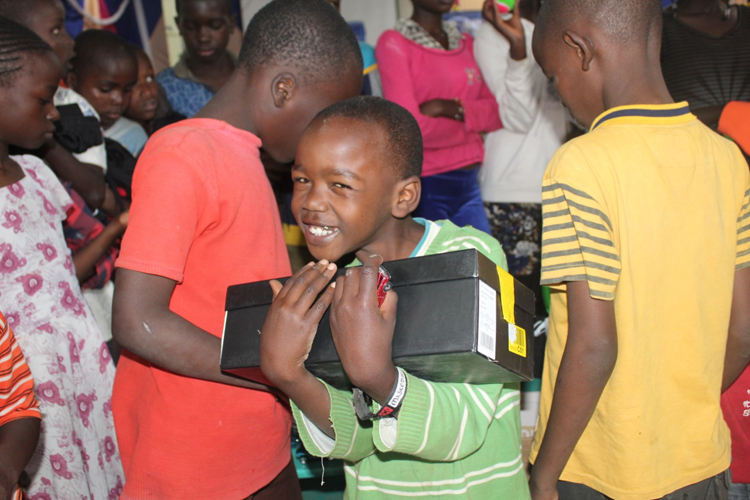
The Springs of Life Children’s Restoration Center (SLCRC) is a rescue ,rehabilitation and reintegration charitable children’s institution founded and managed under the auspices of the New Life Restoration Ministries International(N LRM),which is registered in Kenya as a faith based organization. The process of full accreditation as a fully registered children’s home is ongoing .The center provides the Orphaned &Vulnerable Children( OVC) with the OVC-services of Life skills and vocational training( Pre-primary, Primary, High School and college/university), nutrition and wellness, shelter and care, psycho-social support and legal protection for the children under her care. The children also access extra curricula activities such as games and sports, modeling and music, that are designed as part of talent identification and development .
Each of this core service is offered through very well structured programs under the same names.The main centre is temporary located at Kibera, Kibra Sub-county ,Nairobi-Kenya ,though with purchase of a 20 acrepiece of land at Kima, Makueni County, Republic of Kenya, plans are under way to construct morepermanent structures for a better equipped ,spacious and safer children’s centre.

What we do
In our pursuit of saving Children’s lives for a dignified living, we do the following;
Kima Project
The Springs of Life Children’s Restoration Centre, a dedicated institution caring for orphaned and vulnerable children, is expanding its efforts to ensure long-term sustainability and better living conditions for the children. The Kima Project was conceived to relocate the orphanage from Kibera to Kima, providing a more stable and conducive environment for growth and development. Key Components 1. Orphanage Home Construction The new home will accommodate children currently living in Kibera. Modern facilities, including dormitories, classrooms, and recreational areas, will be built. A safe and secure environment that fosters emotional and educational growth. 2. Agricultural Initiative A sustainable farming project will be established to support the orphanage. Crops and livestock farming will provide food security and income generation. Training programs will be implemented to equip children with agricultural skills. 3. Water and Solar Energy Installation A borehole has been drilled to provide clean and reliable water. Plans are underway to install solar panels to power the water pump and other essential facilities. Piping and water distribution to agricultural sections and living quarters will be completed. 4. Educational and Vocational Training A school will be integrated within the project to offer quality education. Vocational training in agriculture, tailoring, and carpentry will be provided. Emphasis on equipping children with skills for future independence and self-reliance. 5. Infrastructure and Transportation Two school buses have been flagged off to facilitate transportation. Road networks within the facility will be improved for accessibility. Adequate housing for staff and caregivers will be constructed. Current Progress The land has been acquired and initial construction work has begun. Water drilling has been completed, awaiting piping and solar installation. Agricultural activities have commenced on a small scale. School buses have been procured to assist with logistics. Future Goals Complete the full construction of the orphanage and school. Scale up agricultural production for self-sufficiency. Enhance community involvement and create employment opportunities. Secure additional funding and partnerships to sustain long-term operations. Conclusion The Kima Project is a transformative initiative aimed at providing a secure, sustainable, and nurturing home for orphaned children. By combining education, agriculture, and vocational training, the project seeks to break the cycle of poverty and empower children for a brighter future. Ongoing support and collaboration are essential to making this vision a reality.